Benefits of BIM Quantity Takeoffs for Cost Estimation Services
Table of content
Subscribe to get updates from Attentive!
Thank you for subscribing. You'll now receive amazing content & updates from Attentive.
Oops! Something went wrong while submitting the form.
Share this
Why BIM Quantity Takeoffs Keep Estimates Accurate When Designs Change
A modified structural drawing will affect more than just the amount of steel required on an estimate. This can impact on connections, staffing needs, procurement expenses as well as the project timeline. If these changes don't get reflected in the estimate, contractors may be charged for work based on old facts and figures. This is one of the factors that cost estimation services in the construction industry are finding BIM quantity takeoff useful.
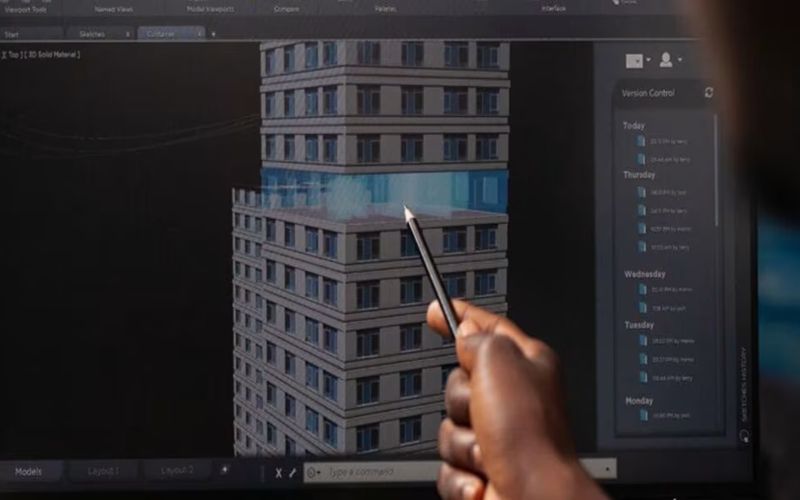
While the estimator can measure each component from a drawing, the estimator can also use a building information model to generate quantities if the components and data are available. The model provides them with a structured approach to review materials, dimensions, and number of parts.
The benefits extend to 5D estimating, where model quantities are linked with cost information. Through 5D BIM cost modeling, an estimator can assess how a design revision affects projected costs without rebuilding the entire estimate from scratch. This is particularly helpful on projects where structural, architectural, and MEP changes happen throughout preconstruction.
The results still depend on model quality. For dependable Revit model takeoff accuracy, elements must be modeled correctly, relevant properties must be populated, and measurement rules must be consistent. A missing component in the model will not magically appear in the quantity report.
There is also a practical case for comparing 2D PDF takeoff vs 3D BIM. Models provide structured component data, while drawings may contain details, notes, or revisions that have not made it into the model. Checking both can reveal quantity differences and potential clash detection quantity variance before they affect procurement or pricing.
In estimating teams, automated QTO workflows can help to reduce repetitive measurement and simplify the process of quantity updates. Beam AI can help with the drawing side of this with quantity extraction from PDF drawings, and QA-checked takeoffs for estimating.
BIM and drawing-based takeoffs serve different purposes. Using the right source for each scope helps estimators build cost estimates that reflect the available project information rather than relying on a single document.
BIM CoPilot supports contractors who need reliable quantities from construction drawings as part of their preconstruction workflow.
Shivangi Ojha
Senior Analyst - Content Marketing
Shivangi is a fanatic construction & civil domain expert with 4+ years of domain-specific writing experience. She is passionate about helping people understand the construction industry through her easily digestible marketing collaterals.